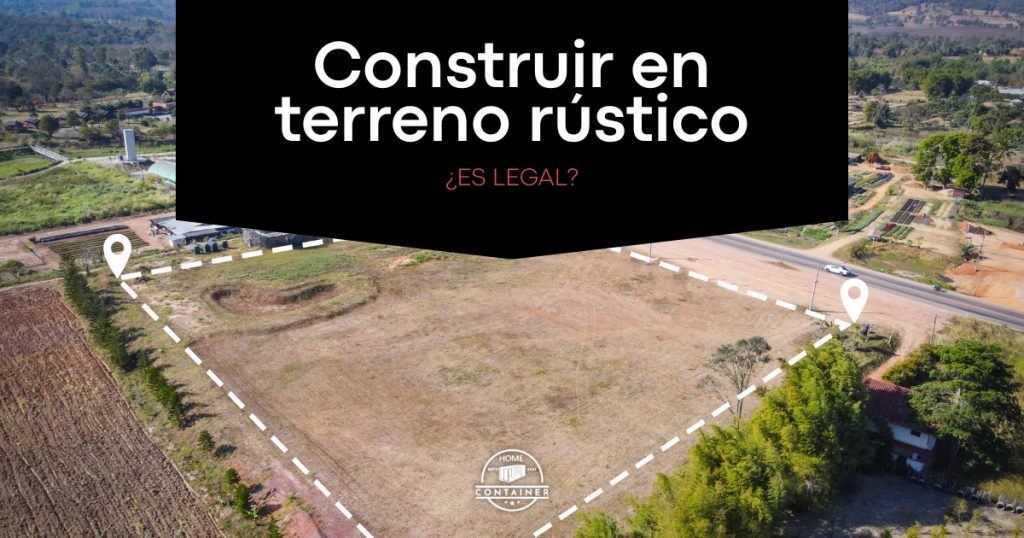
More and more people dream of living surrounded by nature, away from the noise of the city, with more space and tranquillity. This lifestyle change has sparked growing interest in building on rural land, particularly among those who want a detached home or a modular house on their own plot.
However, one of the most common questions is: is it legal to live on rural land? The answer is not always straightforward, as it depends on several factors, including urban planning regulations, land classification and the proposed construction project.
Below, we explain what you need to consider before building on rural land and the legal options available.
What is considered rural land?
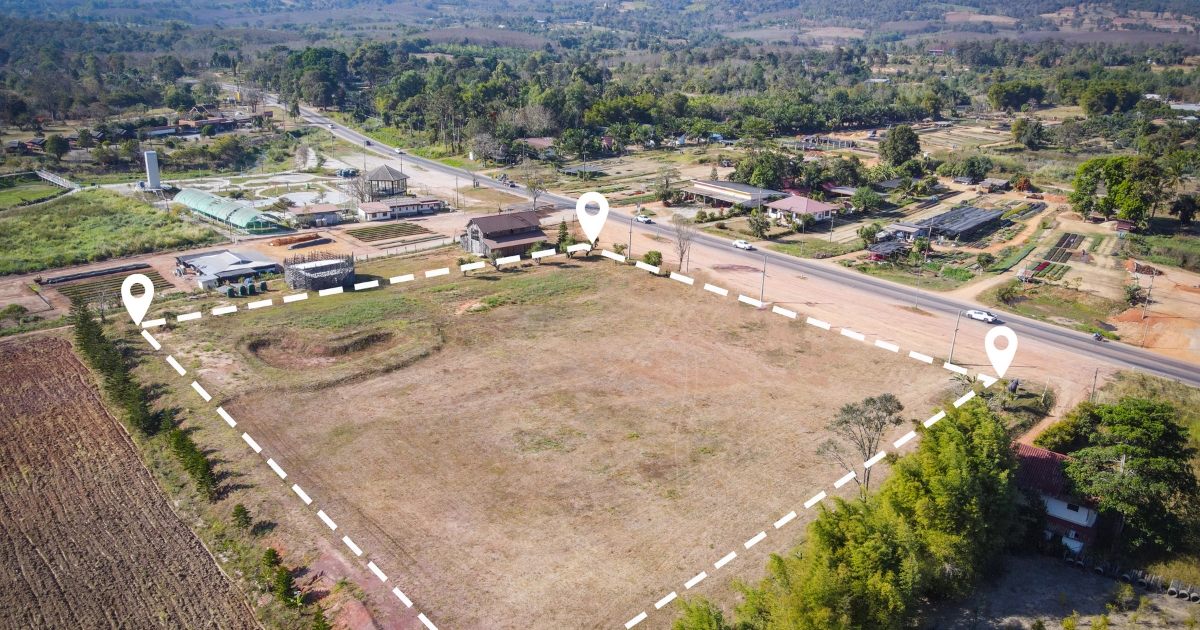
Rural land refers to land that is not designated for urban development under the urban planning regulations of each municipality. It generally includes land intended for:
- Agricultural activities
- Livestock farming
- Natural or protected areas
- Forestry activities
This means that building residential properties is not always permitted, unlike on urban land.
Therefore, before considering building on rural land, it is essential to check local regulations.
Can you build on rural land in Spain?
Yes, in some cases it is possible to build on rural land, but only under certain conditions established by regional and municipal legislation.
The most common possibilities include:
Homes linked to agricultural activities
In many Spanish autonomous communities, building a home may be permitted if it is linked to agricultural or livestock farming activities.
This means that the property must be related to work carried out on the land, rather than being intended solely for residential use.
Homes authorised under specific regulations
In certain cases, some rural plots allow construction provided that:
- The plot meets a specific minimum land area requirement.
- The project complies with limited building allowances.
- The construction respects the municipality’s urban planning regulations.
Each local council may establish different requirements.
Renovating existing buildings
Another common option is to renovate an existing older building on the land.
If the building is legally registered, it may often be possible to renovate it or adapt it for residential use, provided that current regulations are met.
What to check before building on rural land
Before starting any project, it is essential to assess several legal and urban planning considerations.
Land classification
The first step is to consult the municipal urban development plan to determine exactly how the land is classified and which uses are permitted.
Regional regulations
In Spain, rural land regulations depend largely on each autonomous community, meaning that the conditions can vary considerably between regions.
Minimum plot size
Many municipalities require a minimum plot size before construction is permitted on rural land, which limits the number of residential properties that can be built in these areas.
Licences and permits
Construction projects require:
- A technical project
- Planning permission
- Compliance with environmental and territorial regulations
Without the necessary permits, the construction could be considered illegal.
Modular homes and residential properties on rural land
In recent years, modular homes and prefabricated houses have become increasingly popular, particularly on rural plots.
However, it is important to understand that a modular home is also considered a building when it is permanently installed.
Therefore, it requires the same urban planning permits as a traditional home.
Building on rural land with professional advice
Since each municipality and autonomous community has its own regulations, obtaining specialist advice is essential before purchasing land or starting a construction project.
A preliminary assessment makes it possible to:
- Assess the urban planning feasibility of the plot.
- Design a home that complies with the applicable regulations.
- Correctly process licences and permits.
This helps avoid investing in land where building legally may not be possible.